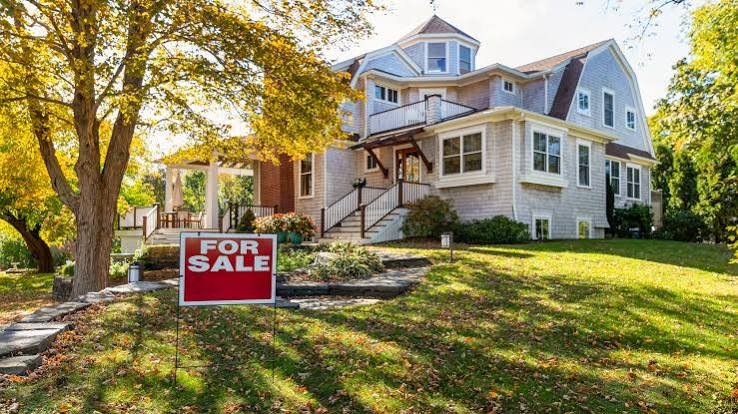
Selling a home quickly can be necessary when a job move, inheritance, divorce, financial pressure, or vacant property changes the plan. Before choosing a path, Hillsboro owners can benefit from understanding how traditional listings, direct sales, and fast home buyers in Hillsboro, OR, may differ in timing, preparation, cost, and certainty.
A faster sale does not have to mean making an uninformed decision. The strongest approach is to identify the actual deadline, calculate the minimum acceptable net proceeds, selectively prepare the property, and compare written offers on their full terms rather than price alone.
Why Homeowners May Need a Faster Sale
Time-sensitive sales often begin with a life event rather than a preference. A new job may require a move before the school year begins, an inherited house may need ongoing upkeep, or a vacant property may create security concerns. Mortgage payments, taxes, utilities, insurance, and repairs can also become harder to carry. Knowing why the deadline matters helps a seller decide where flexibility is possible and where certainty is essential.
Set a Realistic Selling Goal
Write down three numbers and dates before discussing the home with an agent or buyer: the date the property needs to be under contract, the preferred closing date, and the minimum amount needed after the mortgage payoff and selling costs. A homeowner relocating for work, for example, may reasonably choose a dependable closing date over a slightly higher offer that has uncertain financing.
Owners comparing regional options may also encounter messages such as we buy homes in Portland, OR. Treat every sales route as a proposal to evaluate, not a reason to skip due diligence. Ask for the expected timeline, costs, contingencies, and closing process in writing.
Prepare the Home Without Wasting Time
On a tight schedule, focus on work that improves confidence and presentation without creating a costly construction project. A clean, accessible, well-lit home often makes a better impression than one undergoing a rushed renovation with incomplete details.
Fast Preparation Tasks
- Remove extra furniture, personal items, and clutter from counters and closets.
- Deep-clean kitchens, bathrooms, windows, floors, and the entry area.
- Replace burned-out bulbs and address loose switches, handles, and door hardware.
- Repair small leaks, sticking doors, and obvious maintenance issues.
- Trim shrubs, remove debris, and keep walkways clear.
- Gather receipts, warranties, permits, and records for major work.
Large remodels can consume time and money without guaranteeing a matching increase in sale proceeds. If a major defect exists, obtain estimates and disclose the issue rather than assuming a rushed project is the only answer.
Price the Property With Current Data
Pricing should reflect recent comparable sales, active competition, the home’s condition, and demand for similar properties. An old appraisal, a neighbor’s asking price, or an automated online estimate can be useful background, but none should be the only pricing tool.
Questions to Ask Before Setting a Price
- What similar homes sold during the past three to six months?
- How long did those homes take to go under contract?
- Did sellers provide credits, repairs, or price reductions?
- How does the home compare in location, size, updates, lot, and condition?
- What price range supports the required timeline?
An inflated starting price can limit showings and lead to later reductions. A realistic price may create earlier interest, but the right choice still depends on the seller’s financial needs and level of urgency.
Compare the Main Selling Options
Each method involves a different balance of exposure, work, privacy, cost, and timing.
- Traditional listing: May provide broad exposure and the opportunity to pursue a higher market price, but can require showings, negotiations, inspections, appraisals, and buyer financing.
- For-sale-by-owner: Gives the owner direct control over marketing and communication, but also places pricing, scheduling, contracts, and negotiations on the seller.
- Direct buyer: May offer a simpler process or flexible closing date, though the proposed price may be lower than the expected retail sale price.
- Auction or court-related sale: Can provide a structured route in certain urgent situations, but rules, timing, and final proceeds vary substantially.
Review More Than the Offer Price
The highest number is not automatically the strongest offer. Compare whether the buyer is paying cash or using financing, the amount of earnest money, inspection and appraisal conditions, requested credits or repairs, and proof of funds or loan preapproval. Also, confirm the planned closing date, possession date, cancellation rights, and each deadline.
A slightly lower offer with fewer contingencies may be more reliable than a larger offer that depends on a difficult appraisal, a home sale contingency, or broad inspection demands. Request a clear estimated net sheet so the comparison includes commissions, taxes, payoff amounts, credits, title charges, and other deductions.
Gather Oregon Sales Documents
Early paperwork collection can prevent avoidable closing delays. Keep mortgage payoff information, tax records, HOA documents, leases, warranties, insurance claim details, permits, contractor invoices, and records related to probate, trusts, divorce, or multiple ownership in one organized folder.
Most residential sellers should carefully review Oregon’s seller property disclosure requirements, including whether an exemption may apply in their situation. Complete disclosures honestly based on actual knowledge, retain copies, and seek qualified legal guidance for unusual ownership or title issues.
Check Hillsboro Home Energy Score Requirements
Hillsboro sellers of qualifying homes generally need to obtain and disclose a Home Energy Score before publicly listing the property. The current state guidance for select Oregon cities explains which types of homes are covered and notes that exemptions may apply. Confirm the requirement before marketing begins.
Avoid Common Delays and Scams
Be cautious when someone pressures you to sign immediately, will not explain the offer in writing, requests money upfront, uses unclear contract assignment language, or insists on avoiding an independent title or escrow company. Verify the buyer’s identity and funds, read every page, and question unexplained changes to fees or closing dates.
Legal advice is especially important when foreclosure, liens, probate, divorce, tenants, estate administration, or multiple owners are involved. Moving quickly is easier when title and authority-to-sell questions are resolved early.
Follow a Simple Closing Checklist
One to Two Weeks Before Closing
- Review the estimated settlement statement and expected net proceeds.
- Resolve payoff, lien, title, and repair questions.
- Schedule movers and utility transfers.
- Gather keys, remotes, access cards, and gate codes.
Several Days Before Closing
- Remove personal belongings and clean the home.
- Leave included appliances and fixtures in place.
- Keep utilities active through the required date.
On Closing Day
- Review final documents before signing.
- Confirm deductions, payoff amounts, and delivery of proceeds.
- Ask when the deed will be recorded and when possession transfers.
Final Takeaway
A fast Hillsboro home sale works best when the timeline, price, paperwork, and buyer terms are clear from the start. Compare multiple options, calculate what you will keep after all costs, and protect your interests at every stage. A calm, organized process can still move quickly when each decision has a clear purpose.