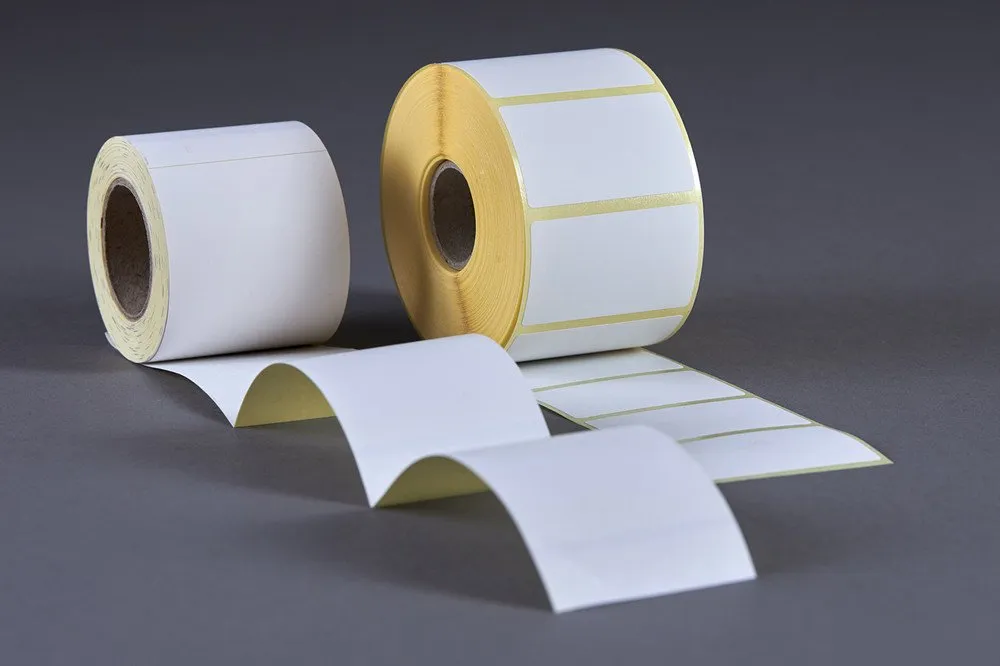
Direct thermal images are designed for practical, ribbon-free printing, but their service life is influenced by the coating and the environment. Buyers should define the required readable period and evaluate the exposures that occur during that period. The purpose of this guide is to help buyers who need readable labels through shipping, storage, or short-term identification make a decision that can be tested, documented, and repeated.
Buyers comparing direct thermal labels should begin with the application and printer requirements, then narrow the available constructions. A category page can help identify options, but the final choice still needs a specification and a representative trial.
Recognize How the Image Is Formed
Heat from the printhead activates a chemical coating in the facestock. Because the image is created in the media rather than deposited by a ribbon, later heat or chemical exposure can affect it. This is a frequent source of hidden variation in why direct thermal labels fade and how buyers can plan for image life. The most dependable control is a short specification supported by an approved sample and a test result that another location or employee can reproduce.
Choose direct thermal for applications whose required life fits the construction. For long archival needs or harsh exposures, compare a thermal transfer system instead of expecting settings to overcome material limits. Record the result in the approved item file so the same decision does not have to be rediscovered after a staff, printer, or supplier change.
Limit Heat and Sunlight
Elevated temperature can darken the background or reduce contrast, while prolonged ultraviolet exposure may weaken readability. Vehicles, windows, heaters, and sunlit loading areas can become severe environments. The decision about limit heat and sunlight should be made before a large order is placed. Correcting the requirement on paper is inexpensive; correcting stocked media, interrupted production, or mislabeled goods is not.
Map where printed labels wait before use and where labeled items travel. Store rolls in controlled indoor conditions, keep printed stock away from heat, and test the hottest realistic stage. Record the result in the approved item file so the same decision does not have to be rediscovered after a staff, printer, or supplier change.
Avoid Incompatible Chemicals
Oils, solvents, cleaners, plasticizers, and some packaging materials can interact with the thermal layer. Transfer from nearby materials may occur during long, tight contact. For buyers who need readable labels through shipping, storage, or short-term identification, avoid incompatible chemicals should be treated as an operating requirement rather than a purchasing detail. It can affect uptime, scan success, rework, and the experience of the person who handles the labeled item next.
List every substance that can touch the label, including tape, sleeves, cleaners, and flexible plastic. Use contact tests for the intended dwell time and avoid casual assumptions based on paper appearance. Record the result in the approved item file so the same decision does not have to be rediscovered after a staff, printer, or supplier change.
Control Abrasion and Pressure
Repeated rubbing can remove or polish the surface, while pressure and friction may create dark marks. Labels on tote contact points or tightly stacked products face more wear. The risk increases when purchasing, the supplier, and operators interpret control abrasion and pressure differently. A shared definition makes the result repeatable and provides useful evidence when the why direct thermal labels fade and how buyers can plan for image life workflow needs troubleshooting.
Place labels in recessed or protected zones when possible. Simulate handling, conveyor contact, wiping, and stacking, then scan and read the samples after exposure. Record the result in the approved item file so the same decision does not have to be rediscovered after a staff, printer, or supplier change.
Set a Required Readable Period
The phrase ‘long lasting’ is not a specification. A parcel label may need days or weeks, while an inventory label may be expected to remain readable for years. A representative trial is especially useful for set a required readable period because a catalog description cannot reproduce the complete environment. Use normal equipment, materials, timing, and handling instead of an ideal desk demonstration.
Define the time, environment, and acceptance level for both text and barcodes. Ask suppliers to recommend a construction against that use case and validate it in the field. Record the result in the approved item file so the same decision does not have to be rediscovered after a staff, printer, or supplier change.
Use Rotation and Traceability
Even unused rolls age, and storage history affects confidence in performance. Mixed cartons without dates make it difficult to investigate fading complaints or rotate stock. For this part of why direct thermal labels fade and how buyers can plan for image life, consistency matters more than an impressive one-time result. The approved approach should work across the roll, across shifts, and across the range of conditions defined by the business.
Keep lot identification and receipt dates, store cartons closed, and issue stock first in, first out. Retain a sample from important lots when the label supports a critical workflow. Record the result in the approved item file so the same decision does not have to be rediscovered after a staff, printer, or supplier change.
A Practical Buying Checklist
- Recognize How the Image Is Formed: Choose direct thermal for applications whose required life fits the construction.
- Limit Heat and Sunlight: Map where printed labels wait before use and where labeled items travel.
- Avoid Incompatible Chemicals: List every substance that can touch the label, including tape, sleeves, cleaners, and flexible plastic.
- Control Abrasion and Pressure: Place labels in recessed or protected zones when possible.
- Set a Required Readable Period: Define the time, environment, and acceptance level for both text and barcodes.
When the specification for why direct thermal labels fade and how buyers can plan for image life is clear, buyers who need readable labels through shipping, storage, or short-term identification can discuss it with a specialist source such as BETCKEY labels and compare available formats without relying on guesswork. For this application, the supplier should confirm requirements related to recognize how the image is formed and the buyer’s actual equipment; claims not shown in the written product data should be verified before purchase.
Frequently Asked Questions
What should a buyer verify about recognize how the image is formed? Heat from the printhead activates a chemical coating in the facestock. Because the image is created in the media rather than deposited by a ribbon, later heat or chemical exposure can affect it. Choose direct thermal for applications whose required life fits the construction. For long archival needs or harsh exposures, compare a thermal transfer system instead of expecting settings to overcome material limits.
What should a buyer verify about limit heat and sunlight? Elevated temperature can darken the background or reduce contrast, while prolonged ultraviolet exposure may weaken readability. Vehicles, windows, heaters, and sunlit loading areas can become severe environments. Map where printed labels wait before use and where labeled items travel. Store rolls in controlled indoor conditions, keep printed stock away from heat, and test the hottest realistic stage.
What should a buyer verify about avoid incompatible chemicals? Oils, solvents, cleaners, plasticizers, and some packaging materials can interact with the thermal layer. Transfer from nearby materials may occur during long, tight contact. List every substance that can touch the label, including tape, sleeves, cleaners, and flexible plastic. Use contact tests for the intended dwell time and avoid casual assumptions based on paper appearance.
Final Recommendation
The central lesson for buyers who need readable labels through shipping, storage, or short-term identification is straightforward: Direct thermal images are designed for practical, ribbon-free printing, but their service life is influenced by the coating and the environment. Buyers should define the required readable period and evaluate the exposures that occur during that period. Treat the selected label as a controlled part of the workflow, preserve the approved sample and settings, and review performance with evidence. That gives purchasing a fair basis for comparing price, service, and quality without sacrificing dependable printing, application, or scanning.