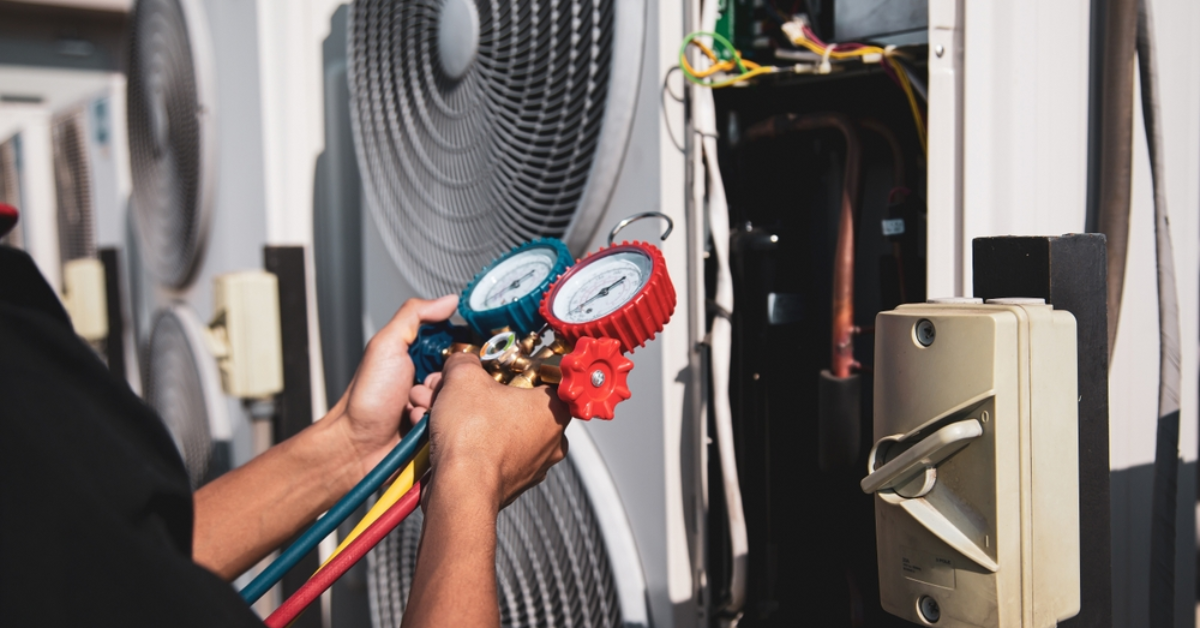
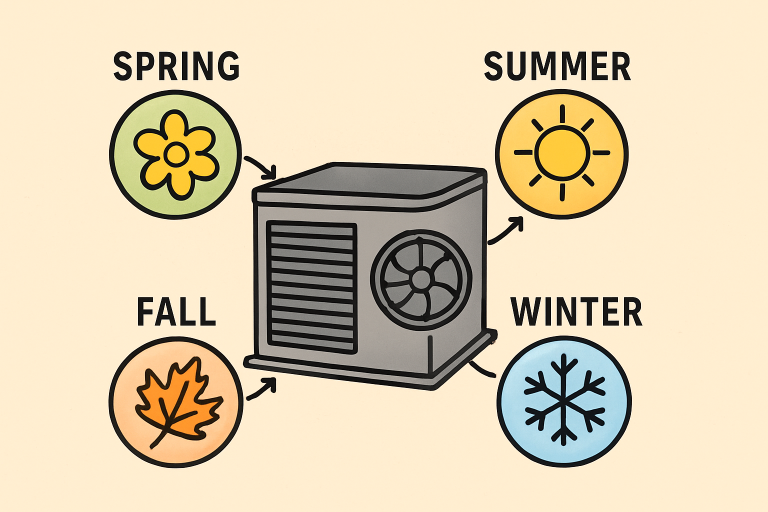
As the seasons change, both residential and commercial HVAC and refrigeration systems face shifts in demand and performance. Warmer months often put cooling systems under greater strain, while colder months challenge heating components and can expose vulnerabilities in ventilation. Preparing these systems for seasonal transitions not only helps maintain comfort and efficiency but also extends equipment lifespan and reduces the risk of unexpected breakdowns. Routine inspections, cleaning, and performance checks are essential steps to ensure systems operate reliably regardless of the weather.
Working with experienced technicians, such as those at Diversified Refrigeration, can provide valuable guidance in addressing seasonal maintenance needs. From verifying refrigerant levels to checking airflow and mechanical components, careful preparation helps prevent costly repairs and energy inefficiencies. By taking a proactive approach, property owners can navigate seasonal changes smoothly, keeping environments safe, comfortable, and properly regulated while supporting the long-term health of their HVAC and refrigeration systems.
Schedule Professional Maintenance
Biannual inspections by a certified HVAC technician are essential to ensure seasonal readiness. A qualified professional can identify minor issues, perform tune-ups, and guarantee optimal system performance. This is particularly important in commercial settings, where regular maintenance can help prevent unexpected shutdowns during heat waves.
Technicians will inspect major components, check refrigerant levels, ensure proper lubrication, and examine electrical connections. These factors can significantly affect system efficiency and longevity. It’s important to keep a record of each maintenance visit to track patterns and support warranty claims. If your building manager or maintenance team handles these services, make sure they follow the manufacturer’s guidelines to maintain warranties and cover all inspection points.
Replace Air Filters Regularly
Dirty air filters can restrict airflow, forcing your HVAC system to work harder and increasing utility costs. Inspect filters monthly and change them every 1 to 3 months, especially during peak seasons. This practice improves indoor air quality, boosts efficiency, and extends your system’s life.
Using the right filter size and type is crucial. High-efficiency filters like HEPA or pleated filters can enhance air quality by trapping smaller particles, but ensure your system supports them. For pet owners or allergy sufferers, specialty filters may be beneficial. Investing in high-quality filters helps reduce exposure to respiratory irritants and maintain system efficiency year-round.
Inspect and Clean Ductwork
Over time, ductwork accumulates dust, debris, and sometimes mold, which can obstruct air circulation and distribute pollutants indoors. Seasonal inspection and cleaning of ducts help ensure fresh, clean air throughout your space and can alleviate strain on your HVAC system. Consider a full duct assessment if you notice hot or cold spots, as repairing or replacing faulty ducting can significantly boost efficiency and comfort.
Be sure to look for signs of leaks or disconnected sections during your inspection. Sealing leaks and insulating ductwork in unconditioned spaces, such as attics or crawl spaces, further prevents energy loss. If your HVAC professional spots excessive dust buildup or biological growth, they will have the tools required to safely clean and sanitize the ductwork. Proper duct maintenance not only improves HVAC performance but also helps eliminate health hazards and keeps your interior environment comfortable year-round.
Test and Calibrate Thermostats
Thermostats play a vital role in maintaining system efficiency. An inaccurate thermostat can lead to temperature fluctuations and energy wastage. Before seasonal shifts, check that your thermostat functions properly and provides accurate readings. Upgrading to a programmable or smart thermostat can enhance control, offering remote access, scheduling, and learning capabilities that boost efficiency and reduce costs.
Proper placement is essential. Position thermostats away from drafts, direct sunlight, or heat sources for accurate temperature readings. In zoned HVAC systems, ensure each thermostat properly controls its respective zone. For older manual thermostats, regular calibration is crucial as they tend to drift, necessitating periodic adjustments to keep temperatures accurate.
Seal Air Leaks
Unsealed gaps around windows, doors, and duct connections can undermine your system’s efficiency. Weather stripping, caulking, and proper insulation are inexpensive methods to keep conditioned air inside and unwanted drafts outside. Making sure your building envelope is tight reduces load on your HVAC unit and, by extension, your energy bills.
Inspect windows and exterior doors each season to check for gaps or worn seals. In older properties, especially, it’s worth considering upgrading to double- or triple-pane windows, or adding storm windows, to enhance insulation. Don’t forget to examine attic hatches, electrical outlets, and plumbing penetrations; these less obvious locations can be significant sources of heat loss or gain. Investing time in thorough weather sealing will support year-round indoor comfort and reduce the workload on both your heating and cooling systems.
Clean Outdoor Units
Your outdoor condenser unit requires clearance and cleanliness for optimal performance. Leaves, dirt, and vegetation can accumulate and restrict airflow, especially after autumn or spring storms. Ensure at least 2 feet of clearance around the unit before the heating or cooling seasons begin, and check for debris or damage that could affect its function. Regular inspection and cleaning prevent costly malfunctions and keep your system running efficiently.
It’s also wise to periodically check the refrigerant lines for insulation breakdown and animal activity. Small pests or rodents sometimes nest near outdoor equipment, causing clogs or damage. During periods of heavy pollen or storms, more frequent cleanings may be necessary to keep units operating efficiently. If you need to trim vegetation, do so carefully to avoid damaging delicate coils or wiring. Scheduling a professional cleaning as part of your maintenance routine will help address any issues beyond typical homeowner care.
Prepare Refrigeration Systems
Fluctuating temperatures and humidity can damage the seals and gaskets of refrigeration systems. It’s important to inspect these components each season for any cracks or signs of wear, and to replace them as needed to protect your inventory and maintain system efficiency.
Additionally, check the fan motors and condenser coils for dust buildup, as cleaning them can significantly improve cooling performance and energy efficiency. Test the temperature alarms and remote monitoring features to ensure they are functioning properly.
Conducting thorough checks, including inspecting drain lines and verifying defrost cycles, can help prevent costly losses and emergency repairs.
Conclusion
Proactive maintenance of your HVAC and refrigeration systems before seasonal transitions is essential for ensuring comfort, reliability, and efficiency. By following practical steps, you can prevent breakdowns, control utility costs, and extend the lifespan of your equipment. Regular maintenance is a worthwhile investment that protects your property and fosters a sustainable, comfortable environment. Whether you choose to perform the maintenance yourself or hire professionals, a thorough approach will ensure your systems continue to operate effectively as the seasons change.
Stay in touch to get more updates & alerts on TGTube! Thank you