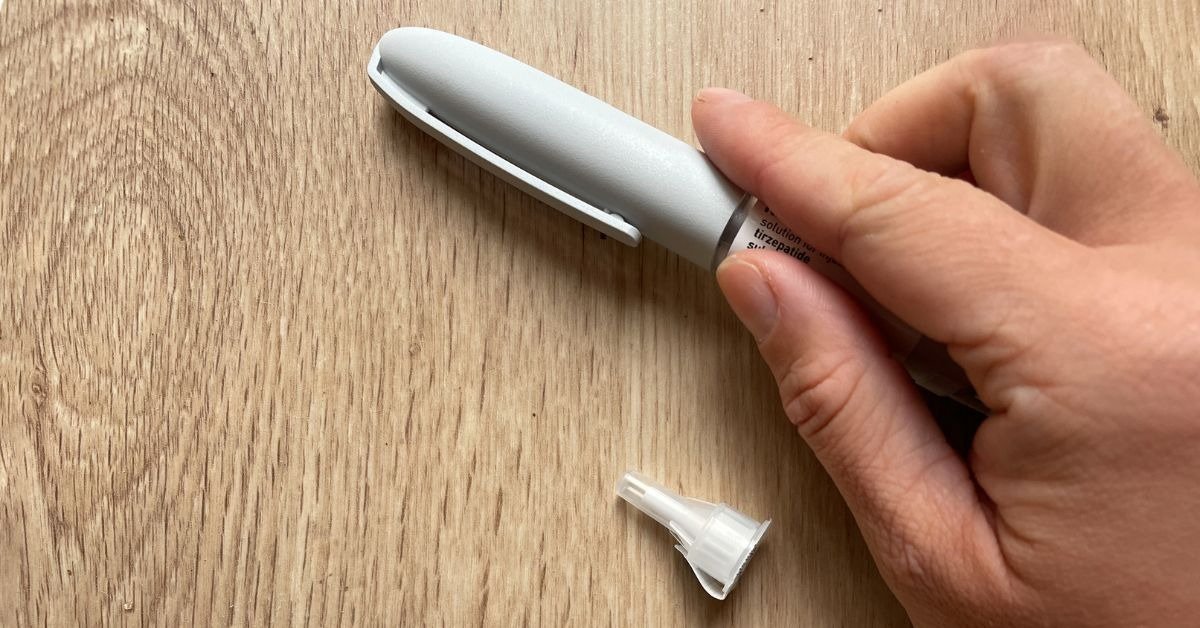
Wegovy may help support appetite management by influencing the body’s natural GLP-1 pathways. Its active ingredient, semaglutide, can reduce appetite and calorie intake, which may help some people feel satisfied with smaller portions. AM Rx provides medical weight management support for eligible adults and may prescribe wegovy weight loss prescription when a healthcare provider determines that it is appropriate.
Appetite management is an important part of weight loss because hunger and food cravings can make it difficult to maintain a reduced-calorie eating pattern. By helping regulate appetite, Wegovy may make portion control and healthier eating habits easier to maintain. Individual responses can vary, so treatment should be monitored by a healthcare professional.
How Wegovy Affects Appetite
Semaglutide works by activating GLP-1 receptors involved in appetite regulation and food intake. These pathways communicate with areas of the brain that influence hunger and eating behavior. As a result, some people taking Wegovy may experience reduced hunger and a lower desire to eat.
Wegovy can also delay stomach emptying, which may contribute to feelings of fullness after meals. When combined with reduced appetite, this effect may make it easier to consume smaller portions without feeling the same level of hunger experienced before treatment.
Feeling Satisfied With Smaller Portions
One potential benefit of improved appetite control is feeling satisfied with less food. A person who previously needed a larger meal to feel full may find that a smaller serving provides enough satisfaction while taking Wegovy.
This can support portion control without requiring constant focus on restricting food. Eating slowly and paying attention to fullness can further help people recognize when they have had enough.
Managing Hunger Between Meals
Some people may experience fewer hunger signals between meals while taking Wegovy. This can make it easier to maintain a regular eating schedule and reduce unnecessary snacking.
However, appetite suppression does not mean that meals should be skipped. Regularly eating nutritious foods can help provide adequate protein, fiber, vitamins, and minerals. If appetite becomes so low that eating enough becomes difficult, it is important to discuss this with a healthcare provider.
Changes in Food Cravings
Wegovy may also influence the desire to eat certain foods by affecting appetite and food intake. Some people may notice that cravings become easier to manage, particularly when they are no longer experiencing the same level of hunger.
Cravings can still occur during treatment because eating behavior is influenced by habits, emotions, environment, and other factors. Developing practical strategies around meal planning and food choices can help support appetite management alongside medication.
The Role of Nutrient-Dense Foods
When appetite decreases, choosing nutritious foods becomes even more important. Smaller meals should still provide essential nutrients needed to support energy, muscle, and overall health.
Protein-rich foods, vegetables, fruits, whole grains, and healthy fats can all be included in a balanced eating pattern. The exact nutritional needs of each person can differ, so personalized guidance may be useful during treatment.
Eating Slowly and Mindfully
Eating quickly can make it harder to notice fullness. Slowing down during meals gives the body more time to respond to food and allows a person to recognize when they are comfortably satisfied.
Mindful eating can also help people pay attention to hunger, fullness, taste, and portion sizes. These habits can complement the appetite-related effects of Wegovy and may remain useful as part of long-term weight management.
Wegovy Dosage and Appetite Changes
Wegovy treatment generally begins with a lower dose and increases gradually according to the prescribed schedule. The initial dose is intended to help the body adjust to treatment before moving toward a maintenance dose.
Appetite changes can vary depending on the individual and stage of treatment. A higher dose does not necessarily mean that someone will experience better or faster results. Dose changes should always follow the prescribing healthcare professional’s instructions.
Supporting Appetite Management With Exercise
Physical activity can complement appetite management and support overall weight loss. Walking, cycling, swimming, resistance training, and other activities can help improve fitness while supporting healthy weight management.
Strength training can be particularly useful during weight loss because it helps support muscle strength and lean body mass. Exercise routines should be adjusted according to fitness level, health status, and individual abilities.
Hydration and Appetite
Staying adequately hydrated is important during weight management. Drinking water regularly can support normal bodily functions and may be particularly important if Wegovy causes gastrointestinal symptoms.
Thirst can sometimes be mistaken for hunger, although drinking water should not be used to replace meals. Adequate hydration works best alongside a balanced eating routine that provides sufficient nutrients and energy.
Managing Possible Digestive Effects
Wegovy can cause gastrointestinal side effects, including nausea, diarrhea, vomiting, constipation, and abdominal discomfort. These effects may influence appetite and eating habits, particularly when the dose is being increased.
Persistent or severe symptoms should be discussed with a healthcare professional. Medical monitoring can help determine whether symptoms are related to treatment and whether adjustments are needed.
How AM Rx Supports Wegovy Treatment
AM Rx provides medical weight management support for eligible patients and may prescribe Wegovy when clinically appropriate. Its program also includes weight loss coaching, nutrition and fitness guidance, and progress tracking.
This combination can help patients address appetite management alongside everyday lifestyle habits. Ongoing support allows treatment response, weight changes, and potential side effects to be monitored throughout the weight management process.
Building Sustainable Eating Habits
Wegovy can make appetite easier to manage, but developing sustainable eating habits remains important. Planning balanced meals, controlling portions, eating slowly, and limiting unnecessary snacking can help create routines that support long-term progress.
The goal is not simply to eat as little as possible. Healthy weight management involves finding an appropriate balance between reduced calorie intake and adequate nutrition. Sustainable habits can also make it easier to maintain progress over time.
Individual Responses Can Vary
Everyone responds differently to Wegovy. Some people may notice appetite changes relatively early, while others may experience a more gradual response. Starting weight, dosage, treatment duration, eating habits, physical activity, health conditions, and individual biology can all influence the experience.
Clinical study results provide averages rather than guaranteed outcomes. A person’s progress should therefore be evaluated over time with guidance from a healthcare professional rather than compared directly with someone else’s results.
Final Thoughts
Wegovy may support better appetite management by activating GLP-1 receptors, reducing appetite and calorie intake, and contributing to feelings of fullness. These effects can help some people manage portions, reduce unnecessary snacking, and follow a reduced-calorie eating pattern more comfortably.
Medication works best as part of a broader weight management approach. Nutritious meals, regular physical activity, adequate hydration, consistent treatment, and medical monitoring can all support healthy progress. AM Rx combines Wegovy treatment for eligible patients with coaching, nutrition and fitness support, and progress tracking to support long-term weight management.