Generational Wealth Transfer and Changing Buyer Demographics
By 2026, the luxury real estate landscape will be transformed by the largest-ever transfer of wealth, with an estimated $84 trillion shifting from Baby Boomers to Gen X and Millennials. This massive transition is reshaping the market as younger buyers gravitate towards properties that blend sophisticated design with advanced technology. They desire living spaces that champion smart features, wellness amenities, and a sense of exclusivity. Partnering with trusted market advisors such as Beverly Hills real estate experts Forster Jones International ensures buyers can access the most exclusive opportunities during this dynamic era.
Another noteworthy shift in demographics is the accelerating influence of women in luxury real estate. Single women, in particular, are predicted to own over half of the world’s wealth within the next decade, driving demand for residences that prioritize safety, comfort, and state-of-the-art features. As younger, more diverse buyers step into the market, developers and brokers are responding by crafting spaces that reflect their new priorities.
Branded Residences: A Growing Market
Branded residences—luxury homes affiliated with prestigious hospitality brands—are surging in popularity and now represent a $66 billion global market. These properties, found in cities such as Miami, London, and Dubai, combine architectural distinction, impeccable service, and secure investment value. Buyers are drawn to the synergy of five-star amenities, concierge services, and enhanced property management standards, offering peace of mind for those seeking international investments. The partnership between luxury brands and real estate developers continues to set new standards and ensures a consistent, elevated lifestyle for residents.
Emphasis on Security and Smart Technology
Affluent buyers increasingly place a premium on advanced security measures. Modern luxury homes now often feature AI-powered surveillance cameras, facial recognition entryways, and biometric safe rooms. Ballistic-grade doors and massively upgraded alarm systems are also on the rise, catering to a growing desire for privacy and tranquility. The adoption of these technologies underscores just how critical personalized safety has become for those investing in top-tier property, whether as a primary residence or a secure international pied-à-terre.
Sustainability and Wellness Features
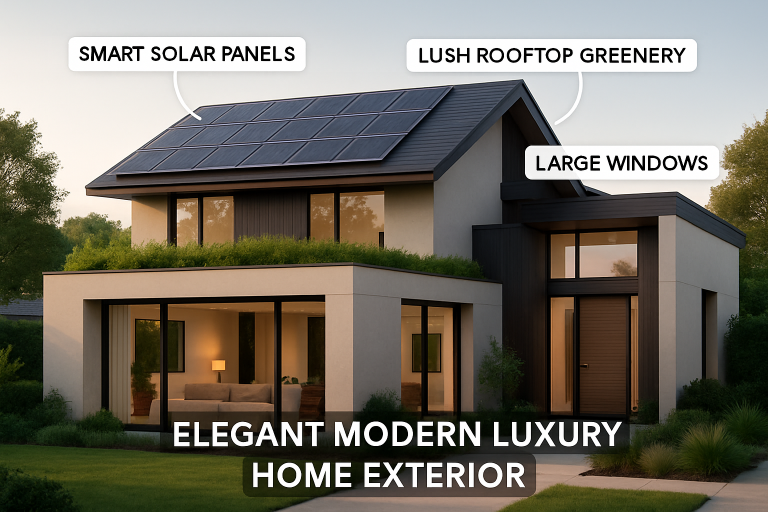
Sustainability is no longer a niche concern in luxury real estate—it is an expectation. International buyers are highly motivated by properties boasting energy-efficient construction, smart water systems, and integrated solar solutions. Homes incorporating green roofs, air purification systems, and wellness technology fetch premium prices and tend to sell faster. As eco-consciousness becomes mainstream among high-net-worth buyers, these features are moving from added-value perks to must-haves.
Energy-efficient homes, on average, sell for 3% to 5% more compared to their conventional counterparts. Wellness amenities, such as in-home spas, meditation spaces, and circadian lighting systems, are high on buyer wish lists. These lifestyle-focused enhancements now play a crucial role in the luxury market’s value proposition.
Digital Innovation in Real Estate Marketing
Digital technology is reshaping how luxury properties are marketed and sold. Sophisticated virtual tours, high-definition drone videos, and immersive 3D experiences allow international buyers to explore properties from anywhere in the world. These tools significantly increase the visibility of exclusive listings and help facilitate seamless transactions over long distances. The accessibility and transparency provided by digital platforms have expanded the global audience for luxury homes and accelerated cross-border investments.
Innovations in AI and blockchain are further enhancing the buying experience. By enabling frictionless virtual transactions and ensuring data security, the industry is better positioned than ever to attract top-tier international clients.
Impact of Climate Events on Investment Priorities
The growing frequency and severity of climate-related events are influencing luxury real estate investment decisions. From wildfires in Los Angeles to rising sea levels in coastal metropolises, buyers are scrutinizing the resilience of a property’s design and location. Homes with fire-resistant materials, advanced air filtration, and elevated foundations are now in high demand.
Investors are increasingly requiring climate assessments before purchase, and architects are incorporating features that withstand extreme weather. These precautionary measures not only protect property value but also signify a new era of climate consciousness in international real estate.
Conclusion
As international buyers navigate the evolving luxury real estate landscape in 2026, success will depend on understanding the convergence of technology, sustainability, wellness, and demographic shifts. Those who adapt to these megatrends—leveraging innovation and select partnerships—will unlock exceptional value and enduring security in the world’s most coveted markets.
Stay in touch to get more updates & alerts on TGTube! Thank you